What is trekking in bhutan guide?
Trekking in Bhutan is one of the most rewarding adventure experiences in the Himalayas, offering a mix of natural beauty, cultural depth, and peaceful trails. Trekking in Bhutan is different from many other trekking destinations because it combines untouched landscapes with strong cultural preservation. 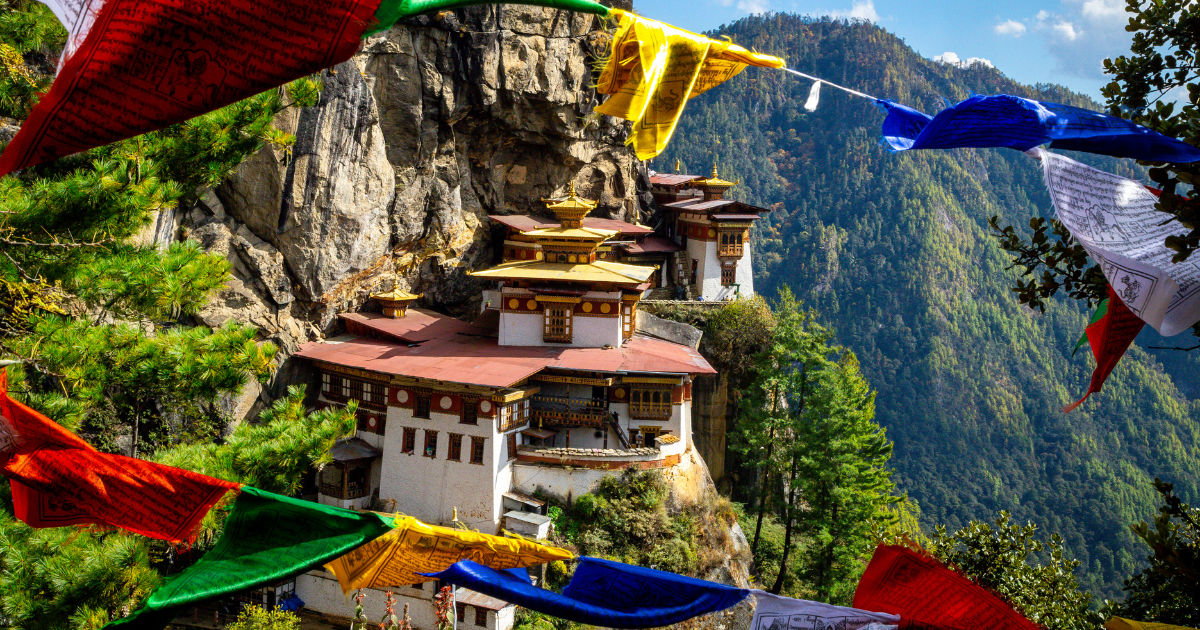 Trekking in Bhutan is not just about walking through mountains; it is about experiencing monasteries, remote villages, and pristine valleys that feel far away from modern noise. Trekking in Bhutan attracts travelers who want both adventure and spiritual calm in the same journey.
Trekking in Bhutan is known for its regulated tourism system, which helps protect nature and culture while ensuring a high-quality experience for visitors. Trekking in Bhutan also requires planning, permits, and guidance from certified operators, which makes the journey structured and safe. Trekking in Bhutan is suitable for beginners as well as experienced trekkers depending on the route chosen.
Trekking in Bhutan is often described as a life-changing experience because it allows travelers to disconnect from busy life and reconnect with nature. Trekking in Bhutan offers views of snow-covered peaks, dense forests, rivers, and ancient monasteries. Trekking in Bhutan is not just an activity; it is a cultural immersion that stays with travelers long after they return home.
Understanding What Trekking in Bhutan Really Means
Trekking in Bhutan refers to walking journeys through the Himalayan terrain of Bhutan, usually lasting from a few days to several weeks. Trekking in Bhutan is carefully managed by the government to protect its environment and traditions. Unlike mass tourism, Trekking in Bhutan is limited in numbers, which keeps trails peaceful and clean.
Trekking in Bhutan involves walking through varying altitudes, from low green valleys to high mountain passes. Trekking in Bhutan often includes camping in remote areas where trekkers experience nature closely. Trekking in Bhutan also includes interactions with local communities who still follow traditional Bhutanese lifestyles.
Trekking in Bhutan is not rushed tourism; it is slow travel. Trekking in Bhutan allows you to absorb the scenery, culture, and silence of the mountains at a natural pace.
Why Trekking in Bhutan is Unique
Trekking in Bhutan is unique because the country prioritizes Gross National Happiness over mass tourism. Trekking in Bhutan is designed to ensure sustainability and cultural respect. Trekking in Bhutan is not overcrowded like other Himalayan regions, which makes it peaceful and authentic.
Trekking in Bhutan offers routes that pass through sacred sites and monasteries that are centuries old. Trekking in Bhutan also gives trekkers a chance to witness prayer flags, dzongs (fortresses), and traditional architecture.
Trekking in Bhutan is also unique due to its biodiversity. Trekking in Bhutan takes you through forests filled with rare animals, medicinal plants, and untouched ecosystems.
Best Time for Trekking in Bhutan
Trekking in Bhutan is best experienced during spring (March to May) and autumn (September to November). Trekking in Bhutan during spring offers blooming rhododendrons and clear skies. Trekking in Bhutan in autumn provides stable weather and excellent mountain visibility.
Trekking in Bhutan during winter is possible on lower routes but can be very cold in high elevations. Trekking in Bhutan during monsoon season is less recommended due to heavy rainfall and slippery trails.
Trekking in Bhutan is most enjoyable when weather conditions are stable, allowing trekkers to fully appreciate the landscapes.
Popular Routes for Trekking in Bhutan
Trekking in Bhutan includes several famous routes suitable for different skill levels.
Druk Path Trek
Trekking in Bhutan through the Druk Path is one of the most popular short treks. Trekking in Bhutan on this route connects Paro and Thimphu, offering lakes, forests, and mountain views.
Jomolhari Trek
Trekking in Bhutan on the Jomolhari route is more challenging and scenic. Trekking in Bhutan here provides views of Mount Jomolhari and remote high-altitude landscapes.
Snowman Trek
Trekking in Bhutan on the Snowman Trek is considered one of the hardest treks in the world. Trekking in Bhutan on this route requires strong physical fitness and experience.
Bumthang Cultural Trek
Trekking in Bhutan in Bumthang focuses more on cultural exploration. Trekking in Bhutan here includes visits to temples, farms, and valleys.
Difficulty Levels in Trekking in Bhutan
Trekking in Bhutan offers easy, moderate, and difficult routes. Trekking in Bhutan beginners often start with short cultural treks. Trekking in Bhutan moderate routes require some physical fitness and altitude adaptation. Trekking in Bhutan difficult routes like Snowman Trek demand strong endurance.
Trekking in Bhutan is structured so that every traveler can find a suitable route based on ability and interest.
Permits and Regulations for Trekking in Bhutan
Trekking in Bhutan requires official permits arranged through licensed tour operators. Trekking in Bhutan cannot be done independently by most foreign tourists.
Trekking in Bhutan also includes a daily tourism fee that supports conservation and development. Trekking in Bhutan regulations ensure that the environment is protected and tourism remains sustainable.
Trekking in Bhutan rules may seem strict, but they help maintain the country’s natural and cultural purity.
Packing Essentials for Trekking in Bhutan
Trekking in Bhutan requires proper packing for changing weather conditions. Trekking in Bhutan essentials include layered clothing, waterproof jackets, and sturdy trekking boots.
Trekking in Bhutan also requires sleeping bags for colder nights in higher elevations. Trekking in Bhutan trekkers should carry sunscreen, water bottles, and personal medications.
Trekking in Bhutan becomes more comfortable when travelers pack light but smart.
Physical Preparation for Trekking in Bhutan
Trekking in Bhutan requires basic physical fitness for most routes. Trekking in Bhutan preparation includes cardio exercises, hiking practice, and strength training.
Trekking in Bhutan at higher altitudes requires acclimatization to avoid altitude sickness. Trekking in Bhutan becomes easier when the body is well-prepared before arrival.
Trekking in Bhutan is not only about strength but also about endurance and patience.
Cultural Experience During Trekking in Bhutan
Trekking in Bhutan offers deep cultural immersion. Trekking in Bhutan allows travelers to visit monasteries and meet monks. Trekking in Bhutan also introduces local festivals, traditions, and daily rural life.
Trekking in Bhutan is enriched by the kindness and hospitality of local people. Trekking in Bhutan often includes homestay experiences in remote villages.
Trekking in Bhutan helps travelers understand a lifestyle that is deeply connected to nature and spirituality.
Safety Tips for Trekking in Bhutan
Trekking in Bhutan is generally safe when proper precautions are followed. Trekking in Bhutan requires attention to altitude changes and weather conditions.
Trekking in Bhutan safety includes staying hydrated and following guide instructions. Trekking in Bhutan travelers should avoid overexertion at high altitude.
Trekking in Bhutan is safer when done with experienced guides and organized groups.
Costs of Trekking in Bhutan
Trekking in Bhutan is more expensive compared to some other destinations due to government regulations. Trekking in Bhutan includes daily package costs covering accommodation, meals, transport, and guides.
Trekking in Bhutan pricing ensures sustainable tourism and fair wages for local workers. Trekking in Bhutan may seem costly, but it includes a complete and well-managed experience.
Environmental Impact of Trekking in Bhutan
Trekking in Bhutan is designed to minimize environmental damage. Trekking in Bhutan follows strict eco-friendly rules. Trekking in Bhutan helps preserve forests, wildlife, and clean mountain trails.
Trekking in Bhutan promotes responsible tourism where waste is controlled and nature is respected.
Sample Itinerary for Trekking in Bhutan
Trekking in Bhutan itineraries vary depending on route length.
A short Trekking in Bhutan itinerary may include Paro, Tiger’s Nest Monastery, and nearby trails. Trekking in Bhutan longer itineraries include multi-day camping treks like Jomolhari.
Trekking in Bhutan itineraries are flexible but always include acclimatization days.
Challenges of Trekking in Bhutan
Trekking in Bhutan can be physically demanding due to altitude. Trekking in Bhutan may involve long walking hours and basic camping conditions.
Trekking in Bhutan also requires adjustment to limited connectivity in remote areas. Trekking in Bhutan challenges are balanced by incredible views and experiences.
Benefits of Trekking in Bhutan
Trekking in Bhutan improves physical fitness and mental clarity. Trekking in Bhutan reduces stress through connection with nature. Trekking in Bhutan also builds cultural awareness and appreciation.
Trekking in Bhutan is often described as transformative because it changes how travelers see nature and simplicity.
Responsible Travel in Trekking in Bhutan
Trekking in Bhutan encourages responsible tourism practices. Trekking in Bhutan requires respect for local culture and environment. Trekking in Bhutan travelers should avoid plastic waste and follow trail rules.
Trekking in Bhutan promotes sustainability and long-term conservation.
Conclusion
Trekking in Bhutan is more than just a hiking adventure; it is a complete journey through nature, culture, and personal discovery. Trekking in Bhutan offers a rare opportunity to experience one of the most preserved Himalayan environments in the world. Trekking in Bhutan combines physical challenge with emotional and spiritual reward, making it a unique travel experience.
Trekking in Bhutan stands out because it is carefully managed to protect both people and nature. Trekking in Bhutan ensures that every trail remains clean, peaceful, and culturally rich. Trekking in Bhutan is ideal for travelers who want meaningful travel instead of rushed tourism.
Trekking in Bhutan leaves a lasting impression on every traveler due to its landscapes, traditions, and silence. Trekking in Bhutan is not just about reaching a destination but about understanding the journey itself. Trekking in Bhutan teaches patience, respect, and appreciation for simplicity.
Trekking in Bhutan will continue to be one of the world’s most respected trekking experiences because of its balance between conservation and adventure. Trekking in Bhutan is a journey worth planning carefully and experiencing fully at least once in a lifetime.