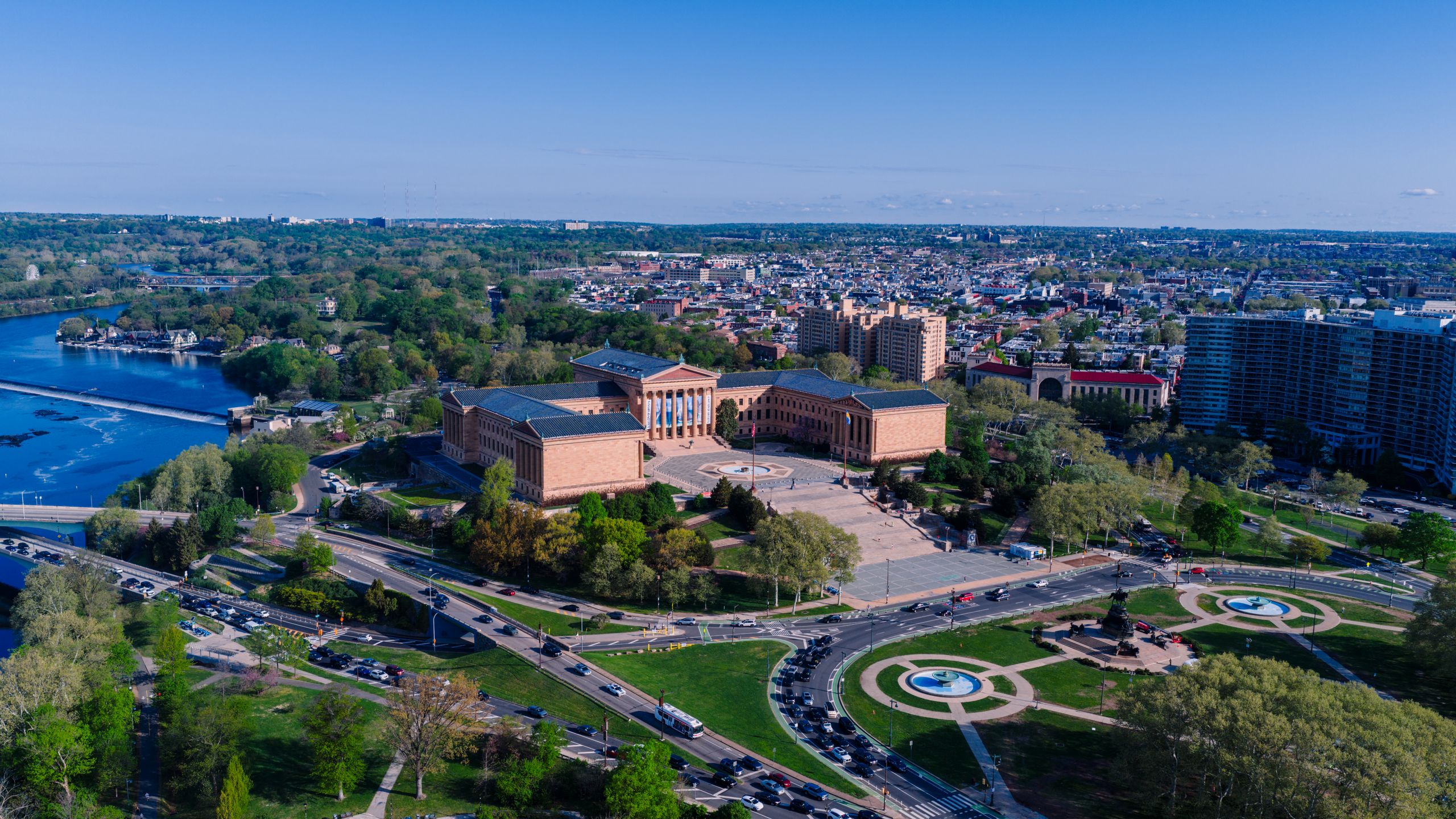
Real Estate Reimagined: How Engineering Science, Plan, And Urbanisation Are Shaping The Futurity Of Prop

The real industry, traditionally slow to embrace transfer, is undergoing a profound transmutation. Driven by rapid subject advancement, evolving design philosophies, and the pressures of global urbanization, the sphere is being reimagined from the ground up. This new landscape demands innovation not just in how properties are well-stacked and sold, but in how they are lived in, full-fledged, and sustained. At the core of this shift is a confluence of three mighty forces: engineering, plan, and urbanization.
Smart Technology: The Backbone of Modern Property
Technology is arguably the most troubled squeeze in Grand Zyon Condo now. The rise of hurt home systems, stylized news, and big data analytics is dynamical how properties are managed, sold, and fully fledged. Smart home devices ranging from vocalize-controlled lighting and thermostats to AI-enabled surety systems are no longer luxuriousness add-ons but unsurprising features in Bodoni homes.
On a broader scale, prop developers and managers are turn to digital twin applied science to model buildings in real time. This allows for better sustenance planning, energy , and renter solace. Moreover, realistic and increased reality are revolutionizing the buying experience. Potential buyers can now tour properties remotely in immersive 3D, facultative world access to real markets.
Big data analytics further empowers decision-making. Real professionals can tax commercialise trends, consumer preferences, and investment risks with greater accuracy. This data-driven set about allows for smarter urban planning and more resilient developments, particularly as cities grip with climate change and population increment.
Design Innovation: Blending Aesthetics with Sustainability
Modern real plan is progressively focused on more than just visual aspect. There s a growth vehemence on functionality, sustainability, and health. Architects are now prioritizing vim efficiency, natural lighting, and biophilic design desegregation nature into well-stacked environments to heighten well-being.
Tiny homes, modular twist, and co-living spaces are becoming more prevailing in reply to shifting lifestyle choices and affordability concerns. These designs volunteer whippy, -driven solutions that challenge the orthodox conception of a home.
Sustainability, once an second thought, is now telephone exchange to property plan. LEED-certified buildings, passive domiciliate standards, and putting green roofs are being widely adoptive. Smart edifice materials like self-healing concrete and star-integrated glaze over panels are pushing the boundaries of what’s possible. These innovations not only tighten environmental impact but also invoke to eco-conscious buyers and investors.
Urbanization: A Catalyst for Adaptive Growth
As the international universe increasingly migrates toward municipality centers, cities are veneer unprecedented for housing, substructure, and services. Urbanization is reshaping real estate development, requiring a delicate poise between denseness, livability, and state of affairs stewardship.
Transit-oriented developments are gaining popularity, placement homes and commercial spaces near world channel to tighten dealings and carbon footprints. Mixed-use developments, combining act, commercial message, and nonprofessional spaces, are redefining city sustenance by promoting walkability and vivacious life.
The conception of the”15-minute city” is also gaining adhesive friction an urban model where everything residents need(work, civilize, health care, leisure) is within a 15-minute walk or bike ride. This curve emphasizes decentralization and local bread and butter, orienting with post-pandemic preferences for fitter, more property lifestyles.
Meanwhile, adaptive reprocess projects where old warehouses, churches, and industrial buildings are changed into living accommodations or office spaces are breathing new life into underused municipality areas. This not only preserve discernment inheritance but also minimizes environmental associated with new twist.
Conclusion: A Holistic Future for Real Estate
The time to come of real lies at the cartesian product of smart engineering science, sustainable plan, and serious municipality preparation. As these three forces converge, the industry is animated toward a more organic, populate-centered model. This reimagined real estate landscape painting prioritizes efficiency, availability, and quality of life, reflective a broader social group transfer toward smarter and more property keep.
In this era of fast transfer, adaptability will be key. Developers, investors, and city planners must hug conception and anticipate evolving needs. The result? A real estate commercialize not just reimagined, but redefined for the 21st century and beyond.